
In high school I tried not to stick out. I tried to blend in. I didn’t want to be too smart, too dumb, too fat, too thin. I wanted to just be me, without really letting others get to know me. (Because what if they didn’t like me?!?) So I was quiet and shy. Except around my closest friends, who knew me for who I was, who knew that I loved school, tried hard and took pride in doing well. Around those same friends, I could inhale as much flavored popcorn as I wanted and let the effenheimers fly.
That was twenty years ago. And while I still love popcorn of nearly any flavor and still drop an occasional f-bomb, over time I’ve learned to truly embrace the rest of “me”. I’ve learned to embrace my strengths… and my weaknesses. And I’ve learned to love my inner nerd. And now I really don’t care who knows about it. I don’t hide the fact that plants and soil and insects all fascinate me and that I wish I’d dug into this stuff way earlier in life. I don’t hide the fact that I really like to know what makes nature tick. I love learning and understanding nature’s symbiotic relationships and I find it so fascinating how everything is woven together and how the slightest change can cause an enormous chain reaction. I love that when I learn something it makes me want to learn more. And the more I learn, the more I realize how little I really know, how little any of us can really know.
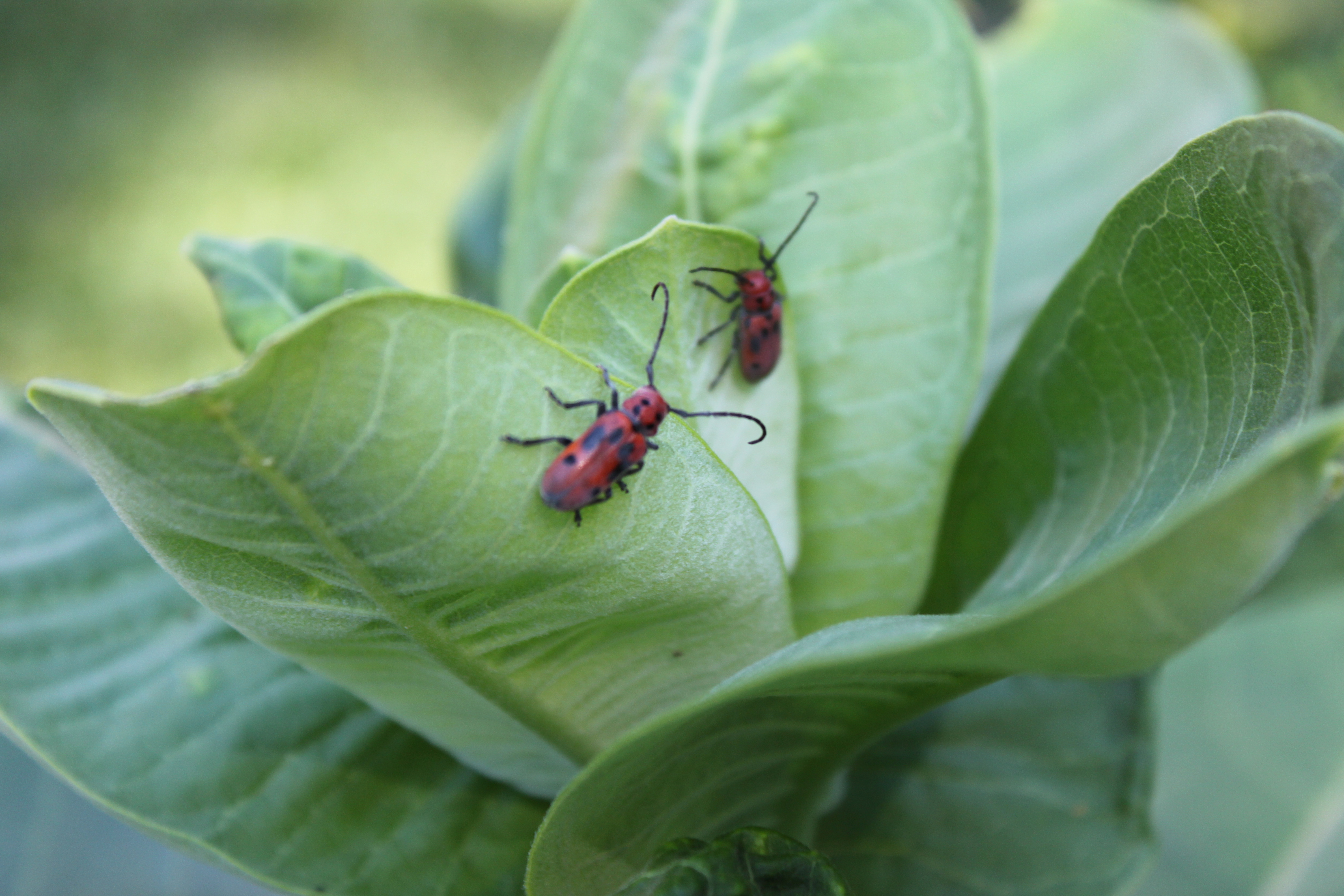
And I love that I’m going to share one of the coolest, geeky things I just learned. It is about insects. More specifically, the life cycle of insects. Why should anyone care about the life cycle of insects? I’m so glad you asked! If you are a gardener, a farmer or food eater, you should care because insects can both help and harm our the food supply. However, knowing the life cycle of an insect helps us learn how to work with it, or against it, depending on whether or not they are beneficial.

Ten years ago I took a course on Insects and Diseases, and while I learned some pretty cool stuff about insects at the time, what I didn’t learn was about Degree Days. What are Degree Days? Let me tell you… Degree Days are basically the sum of the number of days that an insect gains energy. Think of it like charging a battery. Your car battery is dead. You connect it to a charger. You leave it charged for a few minutes and try to start the car. It won’t start. The lights turn on, but they’re dim. You connect the charger for an hour and try again. This time the power locks, windows, windshield wipers and radio work but there still isn’t enough power to start the car. So you leave it a few more hours and finally have a full charge. The car starts and you’re back in action.

Well, the same works for insects, only heat is their charger and the units of energy are Degree Days. When it’s cold, insects shut down and stop moving. When the weather warms up, they start “charging” and start moving around in the soil. But they don’t start charging the second we get a “warm day” because cold days and warm days are all relative to each other. (A 40 degree day in the fall is “cold” compared to a “warm” 40 degree day in the spring after a long, cold winter, but realistically both days are 40 degrees.)
So Degree Days are determined by a calculation:
(The high of the day (in F degrees) + the low of the day (in F degrees) /divided by 2) – 50 degrees = Degree Days (units)
Example: 80 degree high + 50 degree low= 130 degrees/2 = 65 degrees – 50 degrees = 15 Degree Days
Each day insects accumulate Degree Days (but only when the Degree Day is greater than zero). So let’s say we had a week of exactly the same high and low, each day, the insect would accumulate 15 Degree Days, by the end of the week the insect would have accumulated 105 Degree Days of charge. (15 Degree Days x 7 days = 105 Degree Days)
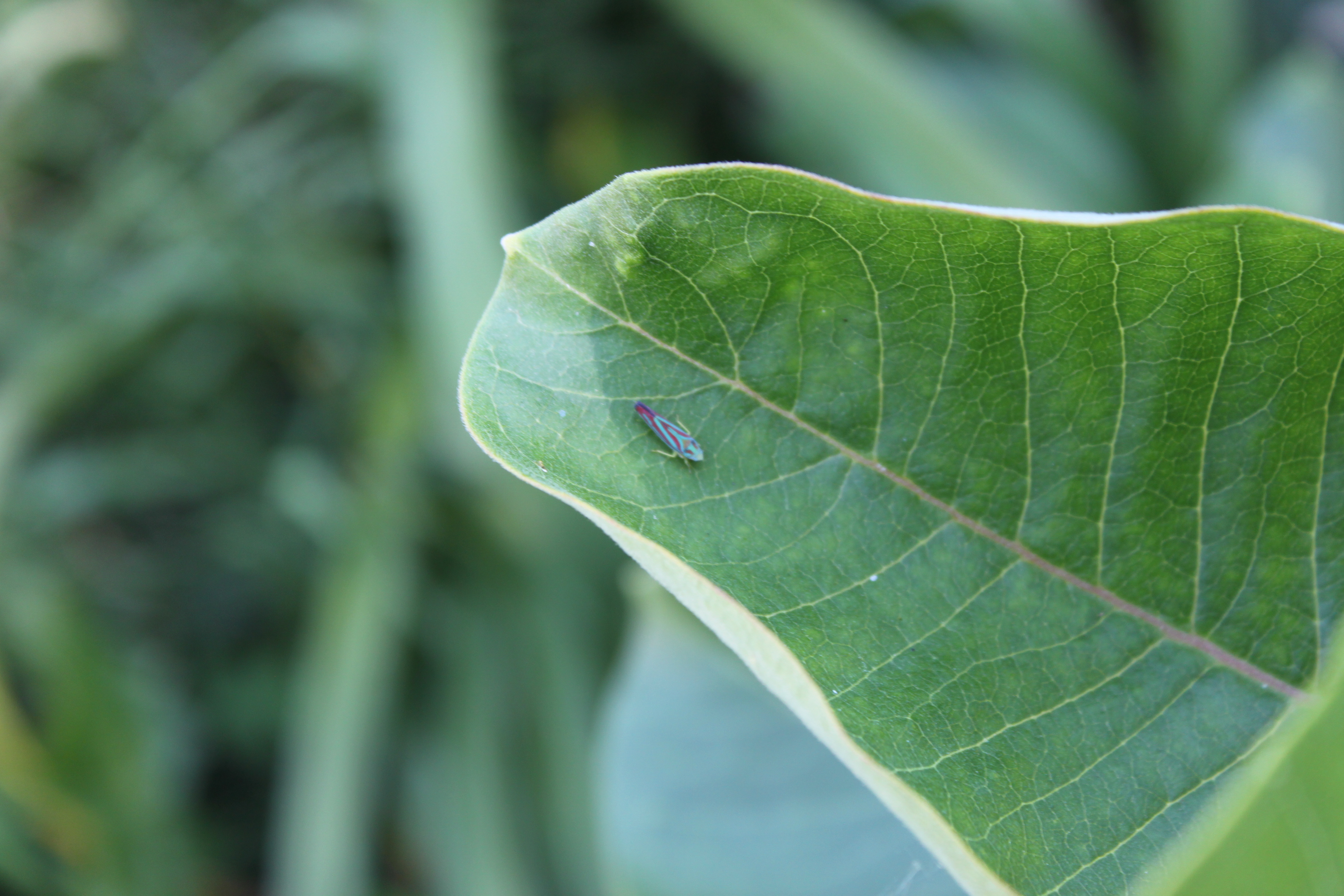
Each insect, like every car, is different and therefore each insect needs a different amount of Degree Days (energy) to become active and another amount of Degree Days (energy) to begin reproducing and so forth.

Why do we care? Well, if we can look at our daily temperatures and determine the Degree Days in our area in relation to the life cycle of a particular insect that may be attacking our garden, or our farm or our CSA’s farm, then we will know when the insect is in each stage of its life cycle (egg, larva, pupa, adult). Knowing this means that if we are trying to get rid of that insect, we know when, for example, they are laying eggs which in turn means we know when to release beneficial insects to feed on their eggs, or we will know when to apply milky spore on the soil, or we will know when we need to apply an (organic) spray or worst case scenario, if we have to resort to using chemical sprays, we would know when it would be most effective to apply it and cause the least amount of damage. It’s like the difference between playing darts with a blindfold on or playing darts after doing target practice.
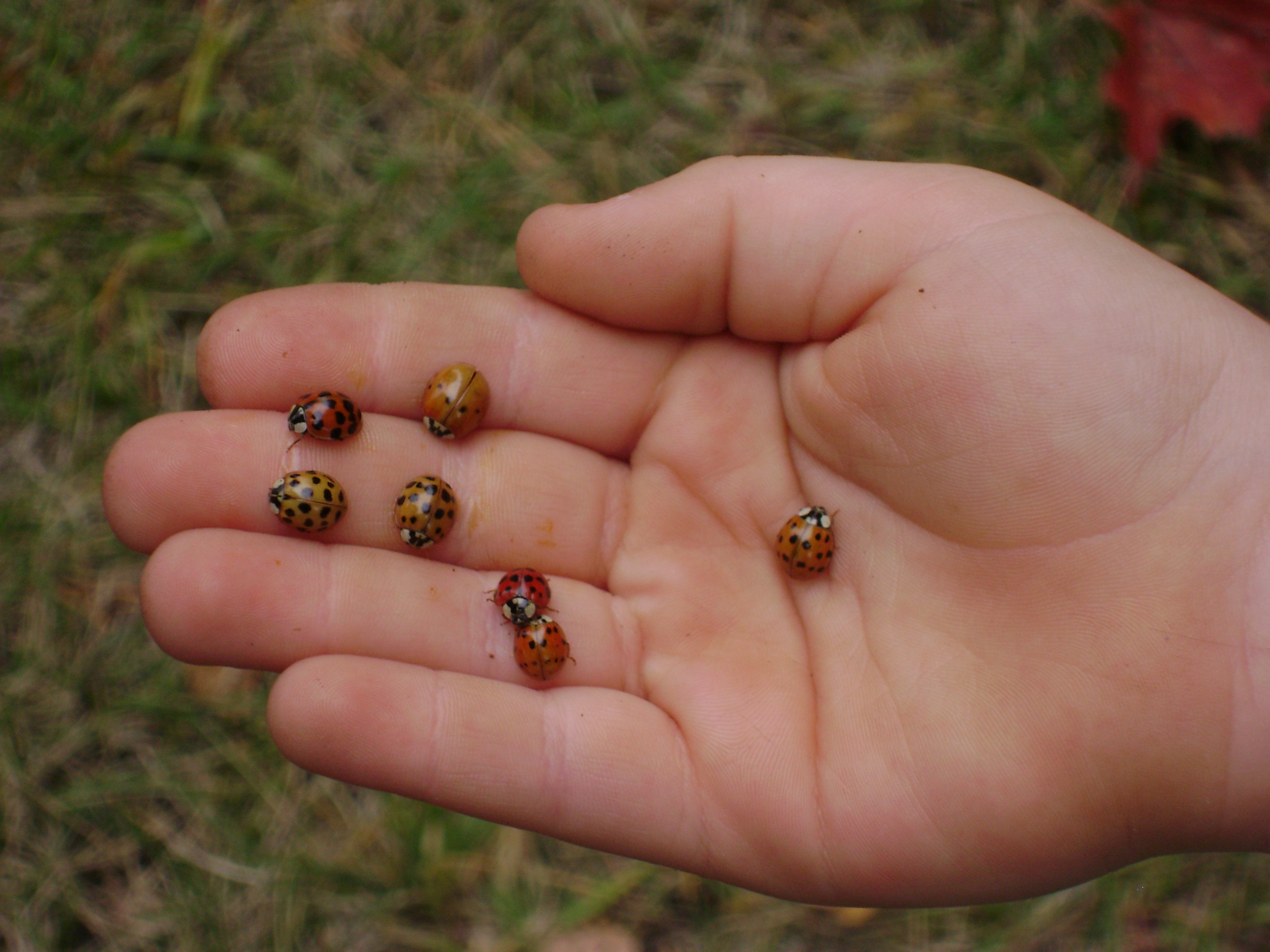
If we can determine what to do when, then we will use less time, less money, fewer resources and fewer chemicals chasing down and attacking “the bad guys” and more time hanging with “the good guys” and enjoying our garden or our dinner.

Pretty cool stuff, huh?
Kate




 Walnuts n Pears